Too little, too late
Dillion GallagherIn this election, and every one going forward, we must recognize that democracy does not survive unless we support it with our creativity, our grit, and our full commitment.
In this election, and every one going forward, we must recognize that democracy does not survive unless we support it with our creativity, our grit, and our full commitment.
School closures disproportionately affect both low-income students and their families. Consequences for students include interrupted learning due to lack of proper technology, significant vulnerability to violence, and even lowered nutrition, since many students rely on free meals provided by the city.
Let us keep fighting in the face of danger, as and alongside people under attack. Let us make sure there is soon no longer a president who encourages violence against people because of their race or ethnicity or because they are fighting that discrimination. Let us get out (to the polls or our mailboxes) and vote for a different future.
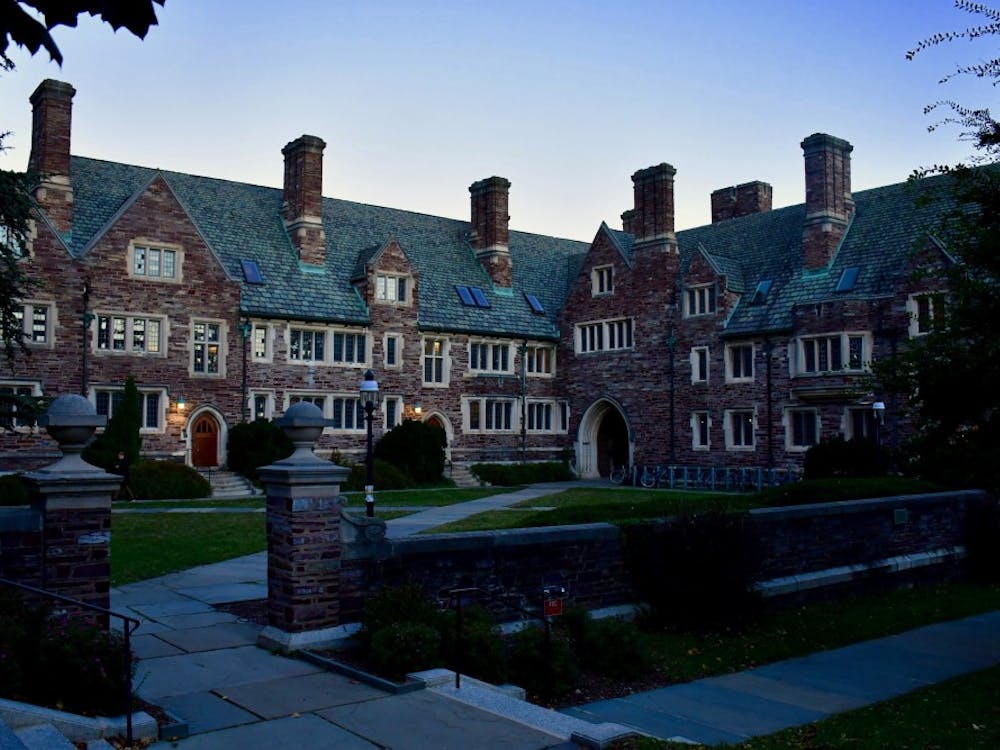
The Princeton many left, the Princeton many first-years never met, may be shadowed by health measures that leave us aching for our college experience. But in that slow and careful crawl back to normalcy, we might find comfort in people and places we have forgotten.
But we want more community feedback, and I want to respond to calls from some in the University community for changes in our department.
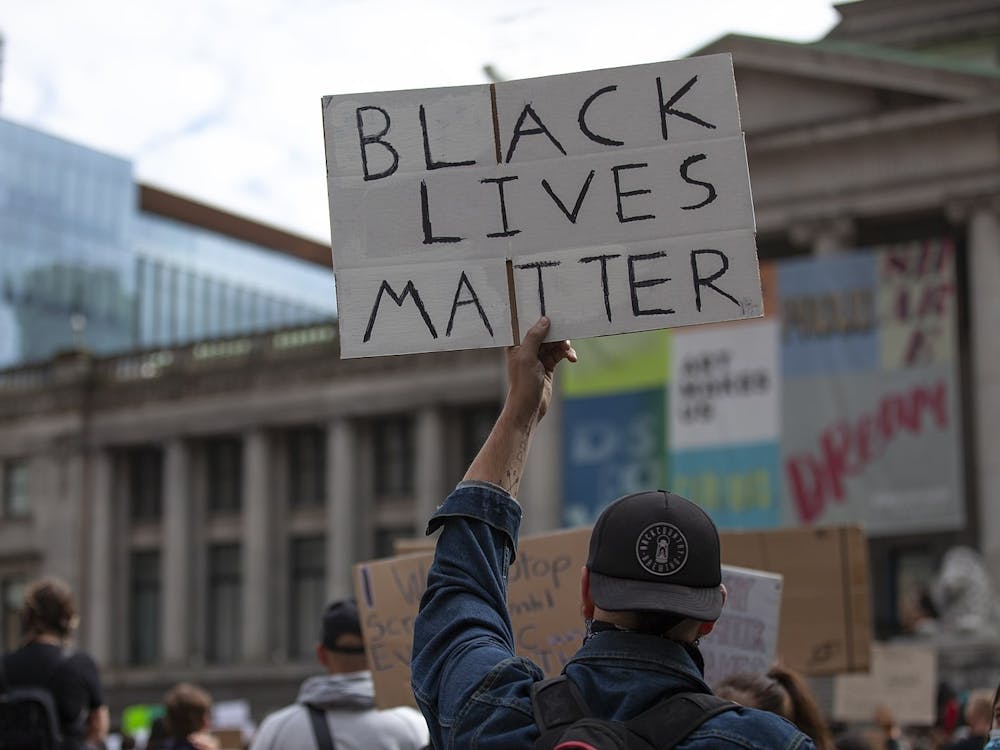
If you are anti-racist, there should be nothing uncomfortable about hearing BIPOC voices speak their truth. The fight for racial justice necessitates the shedding of white fragility and the wholehearted embrace of perspectives that are often suppressed.
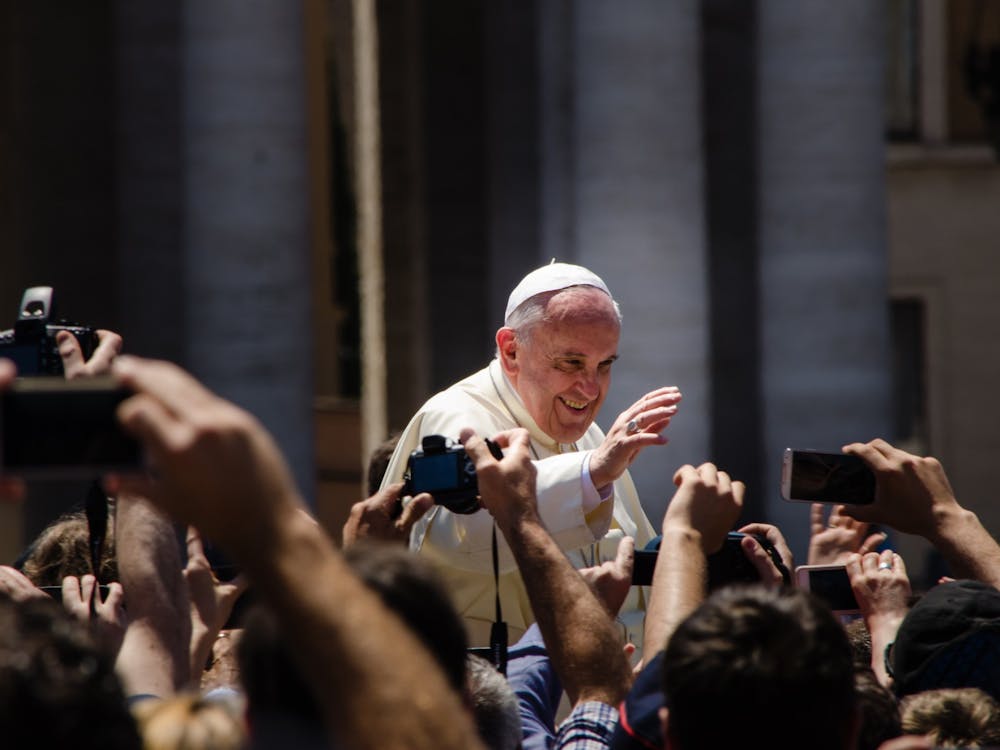
One solution to the problem of fracturing, which the Pope writes in his letter, has been immortalized, repeated, and preached to hundreds of generations in the simplest, one-sentence formula: love your neighbor as yourself. From Confucius, to Scripture, to Hobbes, Spinoza, and Kant, and to kindergarten classrooms, the golden rule is the keystone to human interactions. Somehow, however, it seems the hardest to follow.
If you care about the environment, if you want to even give us a fighting chance at mitigating climate change, I implore you to vote for Joe Biden this November.
Only a lucky few look back at their time at Princeton and do not wish that they had spent just a little bit more time savoring the experience. Even at Princeton, fortune favors “fools.”
It is important to heed what happens in the world — but prioritize your mental health above it all.
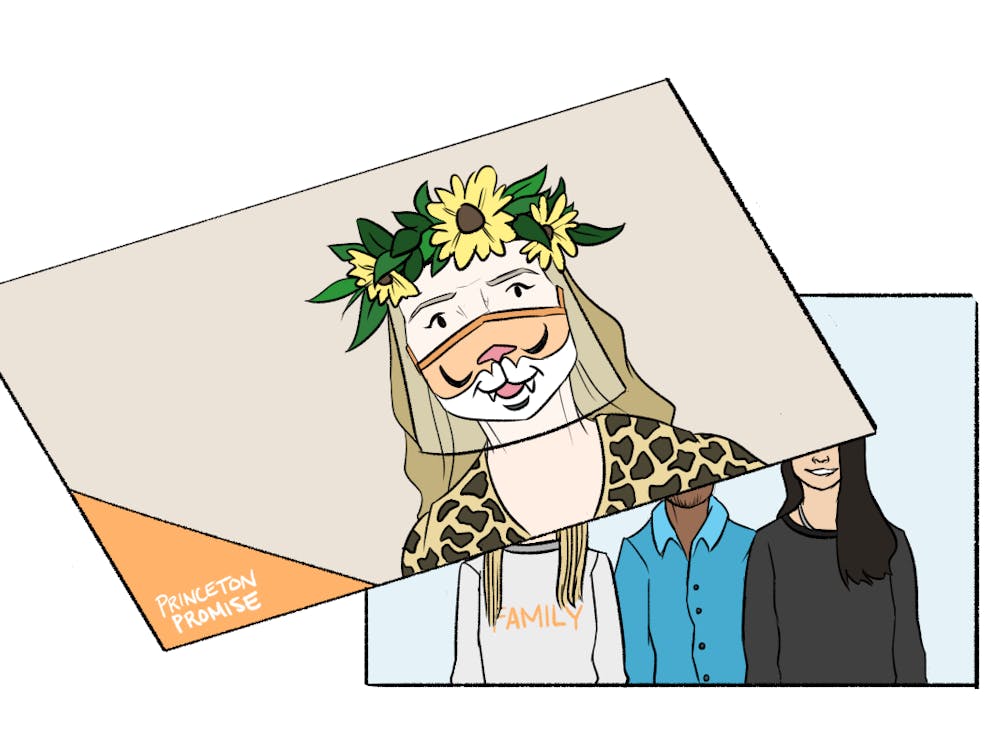
Instead of focusing on and spotlighting students, the University chose a reality television star.
This is a time for us to recognize just how hard all of us are working to stay afloat, and to reward that hard work with positive reinforcement and compassion. It would do us well to accept “the state of the world” as a valid reason for lethargy and shorthand for the multifaceted but difficult-to-explain circumstances that make it challenging for us to be our best selves right now—emotionally, socially, and academically.
In the United States, empathy has become a partisan value, when in fact it should be a human one. This is a national emergency, a national time of grief, and a national time of mobilization in and outside of government regardless of political leanings. Unfortunately, we have seen shaky measures at best because the question has become not, “What can the government do?” but rather, “Should the government do anything at all?”
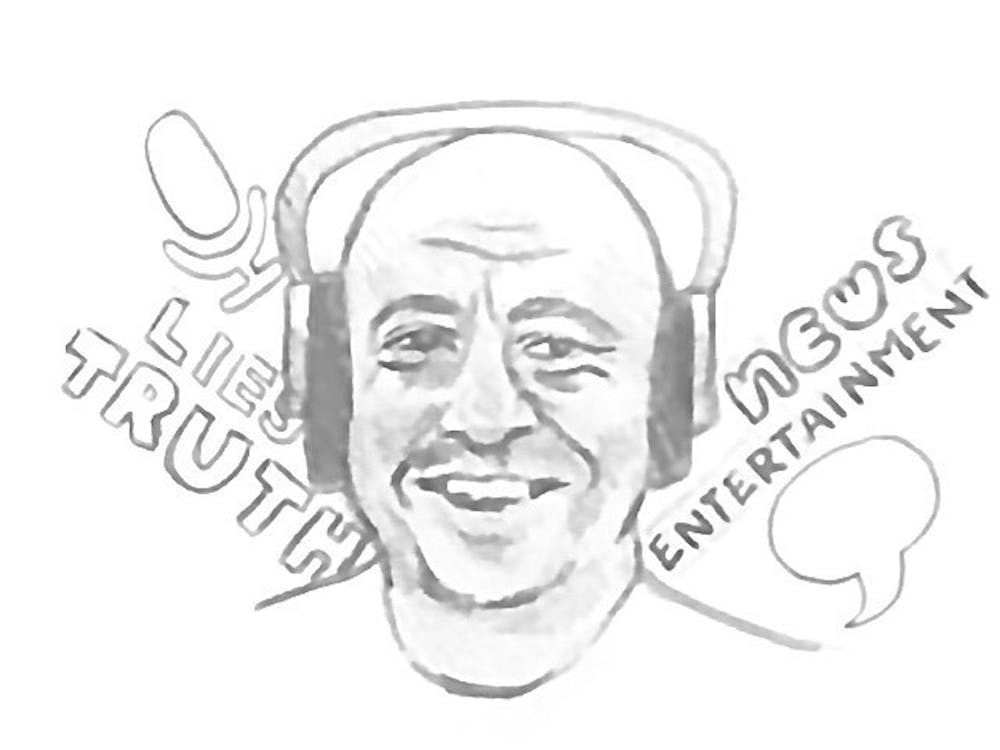
When forums for entertainment become outlets of information — the kind of information necessary for political discourse and democratic society — original intent ceases to be relevant, or at least cedes being priority number one.
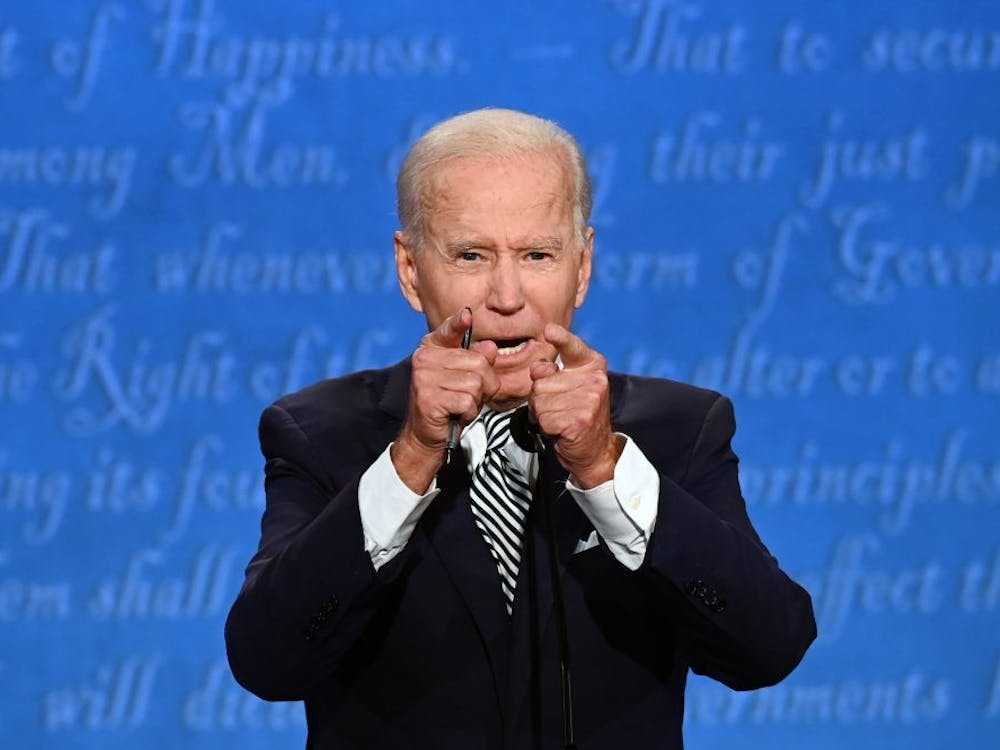
Biden’s performance, and the debate as a whole, offers a valuable lesson. The debate demonstrates not only why discourse cannot survive without restraint, but also why restraint can be a powerful tool to display moral character. As students forming Princeton University’s discourse, and as young adults shaping our own personal characters, we cannot minimize this lesson in restraint. Without it, the future we create is more likely to repeat the mistakes of the present.
When Wilson alleges that Princeton “bends over” backwards for the sake of anti-racist activists and leftist revisionists, he is fictionalizing a widely covered event for which he cares to neither learn of nor represent fairly.
Nevertheless, the expectations of a Princeton semester remain, intensified by the new shortened calendar.
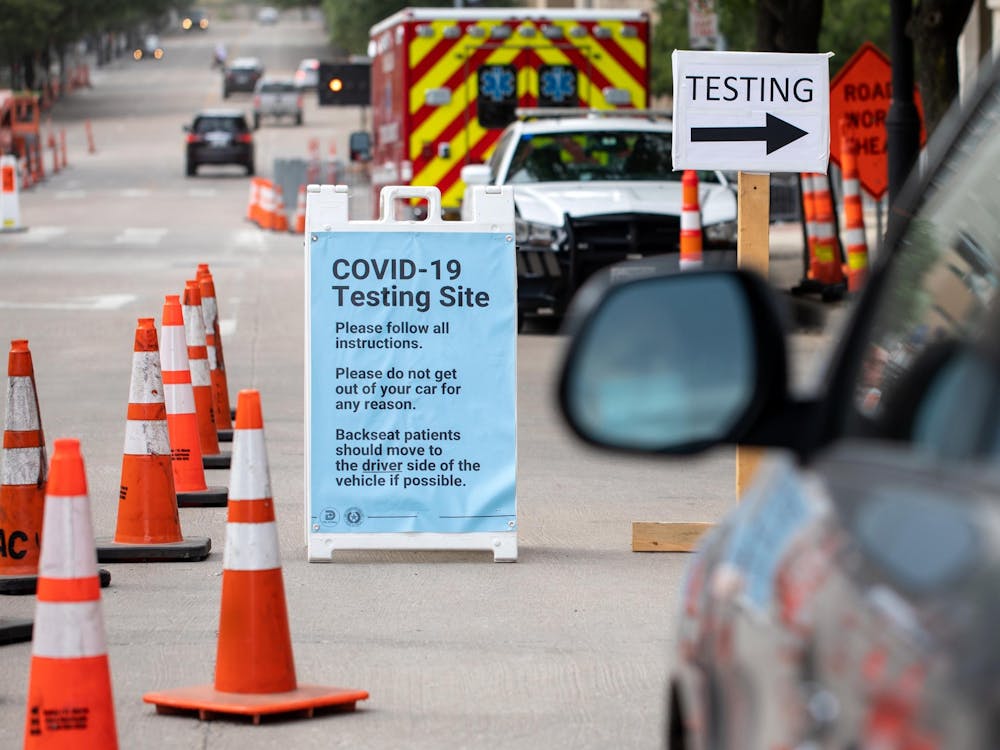
We have suffered hundreds of thousands of deaths at the hands of this virus, and the way to respond to this suffering is not through irrational fear of those who may have been exposed, but rather compassion and understanding of their vulnerability.
Like puppetry, the government is the one pulling on the general public, whose own choice over the entertainment that they enjoy are now not theirs to make.
The lack of discourse around anti-Native racism at the University is paralleled by minimal representation and resources for people of Indigenous heritage at the University. Princeton has the fewest resources for Indigenous students of any Ivy League institution, with fewer than 0.2 percent of students identifying as American Indian or Alaska Native, no affinity spaces, and very few Indigenous faculty and staff.